
What Hiring Managers And Clients Expect From A Professional Headshot In 2026
What does your face say in the three seconds before your resume, proposal, or bio gets read?
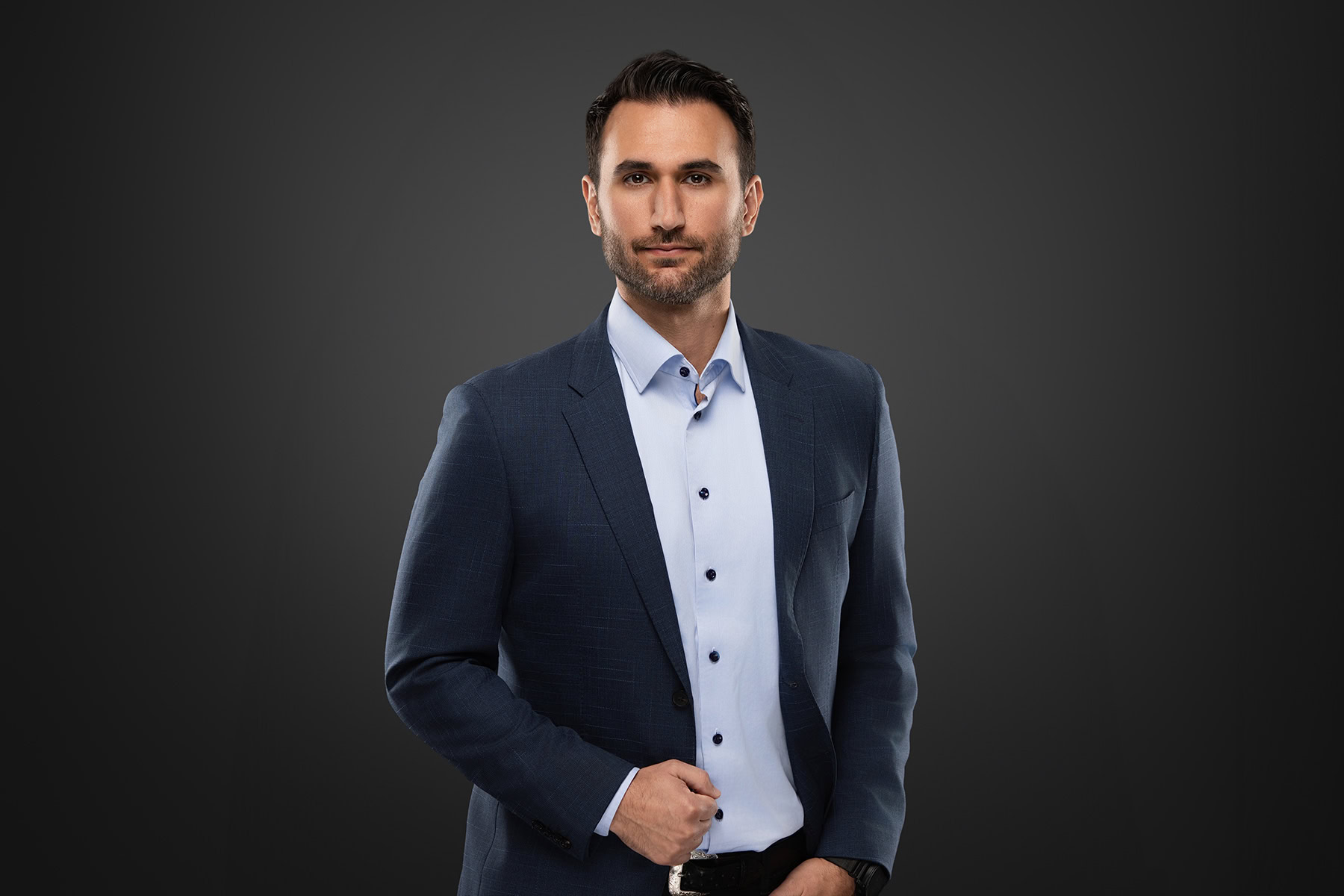
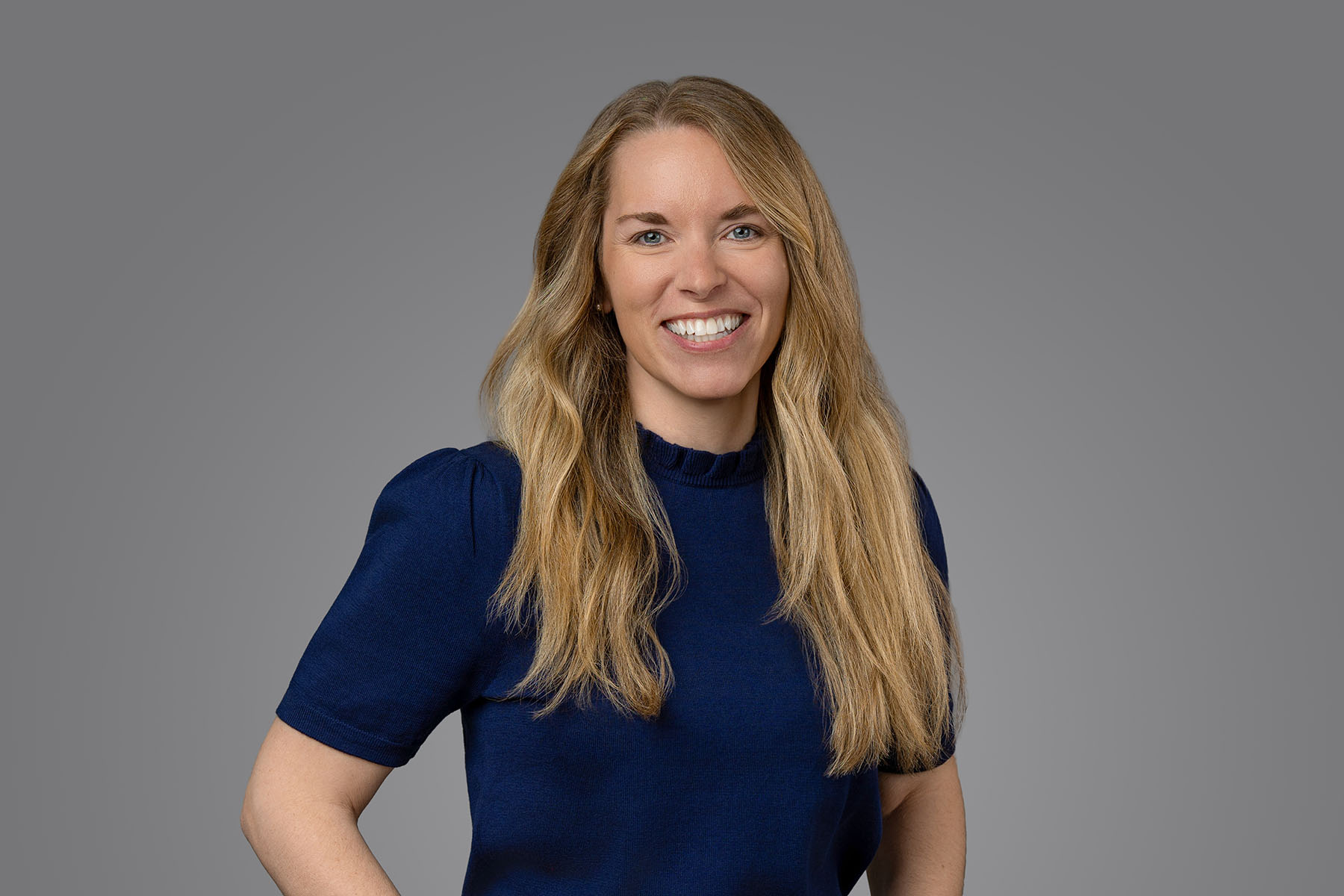
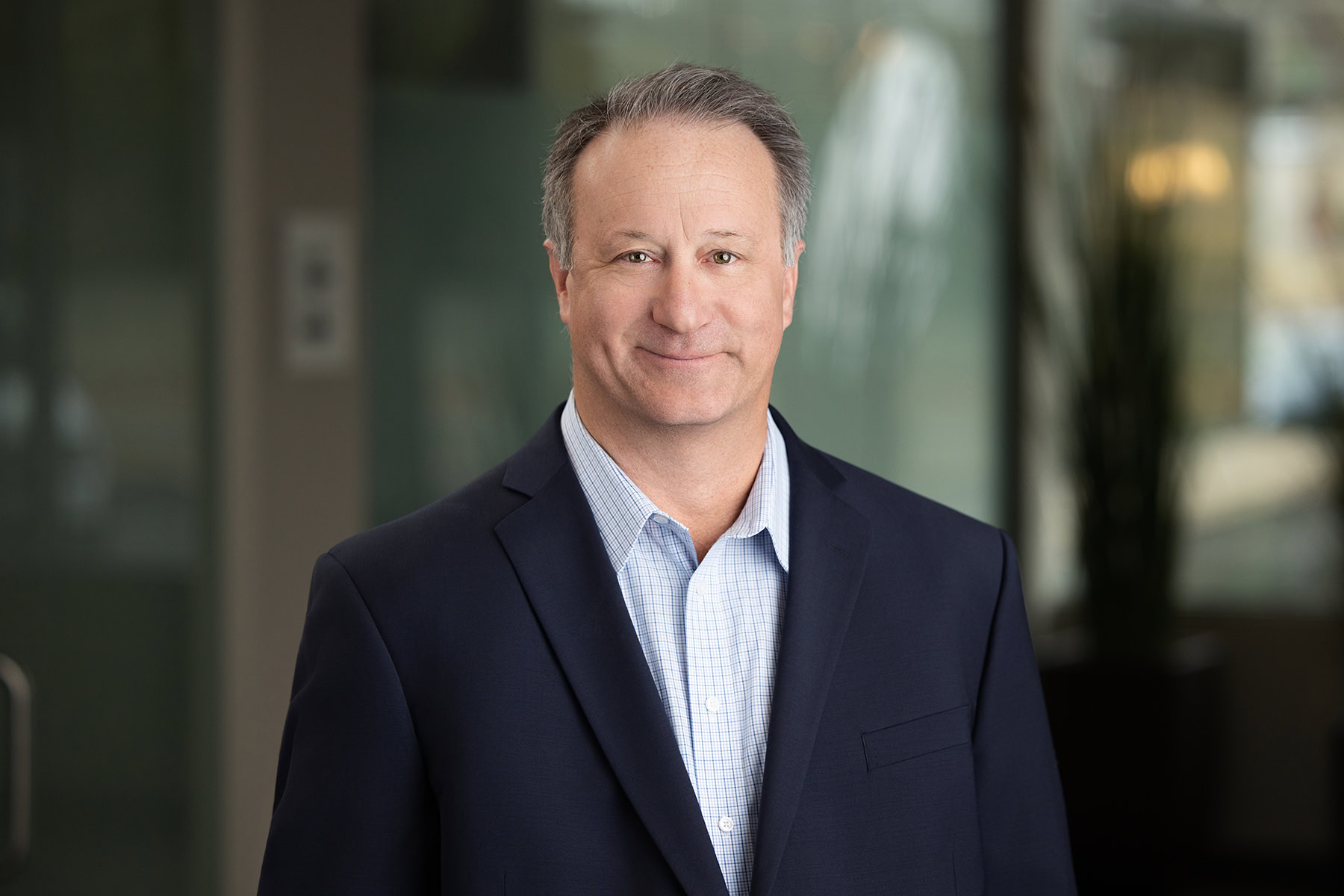
That is the job of a headshot in 2026. It is not here to make you look perfect. It is here to make you look current, prepared, approachable, and easy to trust. Hiring managers and clients move quickly. Your image becomes the first quiet clue about how carefully you show up.
We see this every day at Denver Headshot Co. when people come in because their old photo no longer matches their role, confidence, or next goal. A strong headshot should feel like a clean introduction. It should give people enough visual information to feel comfortable taking the next step.
Table Of Contents
- 1. Hiring Managers Look For Competence First
- 2. Clients Want Trust Before They Want Credentials
- 3. Your Headshot Should Match The Places People Find You
- 4. Clothing Should Support Your Message
- 5. Backgrounds Should Have A Job
- 6. Editing Should Make You Look Rested, Not Rebuilt
- 7. The Best Headshots Feel Prepared, Not Perfect
- 8.Conclusion
- 9. FAQs
The most effective headshots this year look modern, but not overly styled. Hiring managers and clients want a photo that feels recent, clear, and aligned with how you actually work.
If your photo is more than a few years old, people may wonder what else has not been updated. Heavy filters, harsh retouching, or a dated background can create a small disconnect before a conversation begins.
Aim for clothing, lighting, and expression that will still feel appropriate a year from now. Simple pieces, clean grooming, and natural posture age better than trendy colors, dramatic edits, or stiff posing. The goal is not to look flashy. The goal is to look ready.
Hiring Managers Look For Competence First
When a recruiter or hiring manager sees your headshot, they are not judging beauty. They are looking for signs of professionalism. Does the image feel intentional? Can they clearly see your face? Do you look engaged, alert, and comfortable?
A blurry crop from an event or a casual vacation photo can feel careless, even if you are highly qualified. A polished headshot tells them you understand context. It says you know how to present yourself in a professional setting.
Your Expression Carries More Weight Than You Think
A neutral expression can work, but it should not feel cold. A smile can work, but it should not feel forced. What matters most is that your expression feels steady and human. Think calm confidence, not performance.
Before your session, ask what kind of person a hiring manager should feel they are about to meet. Reliable? Collaborative? Decisive? Warm? Your face, shoulders, and eyes should support that message.
Clients Want Trust Before They Want Credentials
Clients often decide whether to contact you before reading every credential. They want to feel that you are approachable enough to talk to and capable enough to solve a real problem. Your headshot helps them make that first judgment.
This matters for consultants, real estate agents, attorneys, therapists, coaches, executives, creatives, and anyone whose work depends on trust. Your skills may be strong, but your image should not make people work to believe it.
Avoid Anything That Creates Distance
Dark shadows, crossed arms, a distracted gaze, or an overly severe expression can make you look unavailable. That may not reflect who you are, but online impressions are rarely patient. Choose a photo that makes a first conversation easy to imagine.
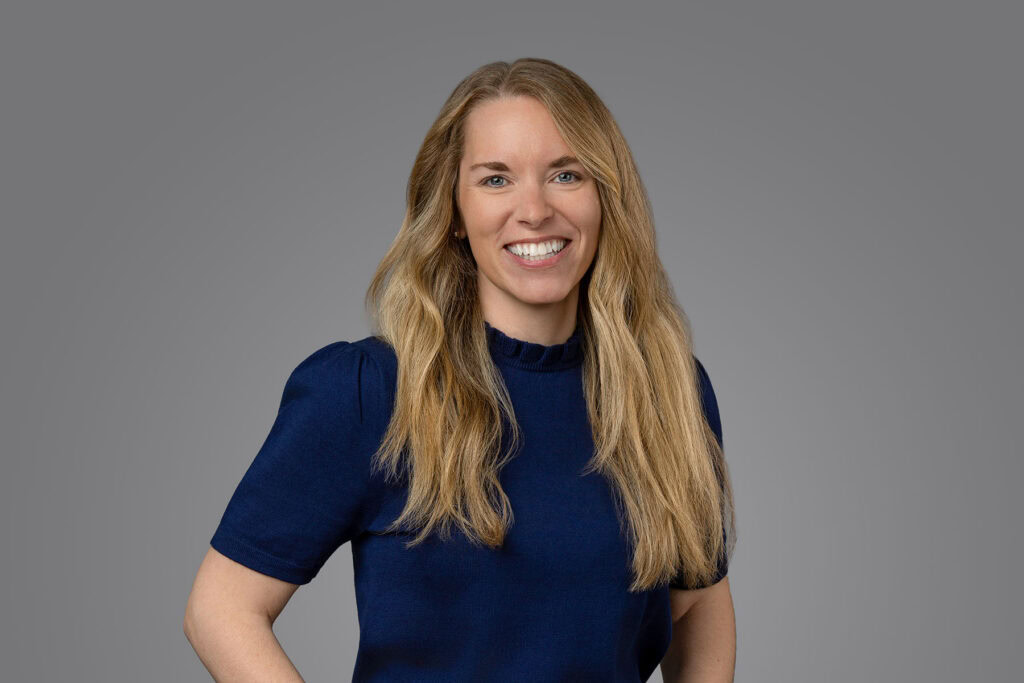
A strong client-facing headshot feels open, clear, and composed. It shows confidence without making the viewer feel small.
Your Headshot Should Match The Places People Find You
In 2026, your photo may appear on LinkedIn, a website, a proposal, a conference page, a directory, a press feature, or an email signature. One image may need to work across several places, so it should stay readable at different sizes.
A tight crop can help profiles, while a wider crop may work better for websites or speaking pages. Know where your image will be used before your session starts.
Think Beyond One Profile Picture
Ask where people meet you online before they meet you in person. Is your headshot consistent? Does it look sharp on a phone? Does it still work when cropped into a circle?
This is where individual headshots benefit from a clear purpose. When the session is planned around real use cases, the final images feel less generic and more useful.
Clothing Should Support Your Message
Clothing should not be the star of your headshot. It should help people understand your professional world without distracting from your face. Solid colors, good fit, and simple layers usually work best.
You do not always need a suit. A founder, designer, therapist, accountant, and contractor may need different formality levels. Dress one step more intentionally than your workday, while looking like yourself.
What You Should Usually Avoid
- Busy patterns that pull attention away from your face
- Wrinkled clothing or pieces that do not fit well
- Logos that confuse the purpose of the image
- Glasses with glare or transition lenses
- Jewelry that moves, shines, or complements your expression
Bring more than one option when you can. Sometimes the shirt that looks best in person photographs poorly.
Backgrounds Should Have A Job
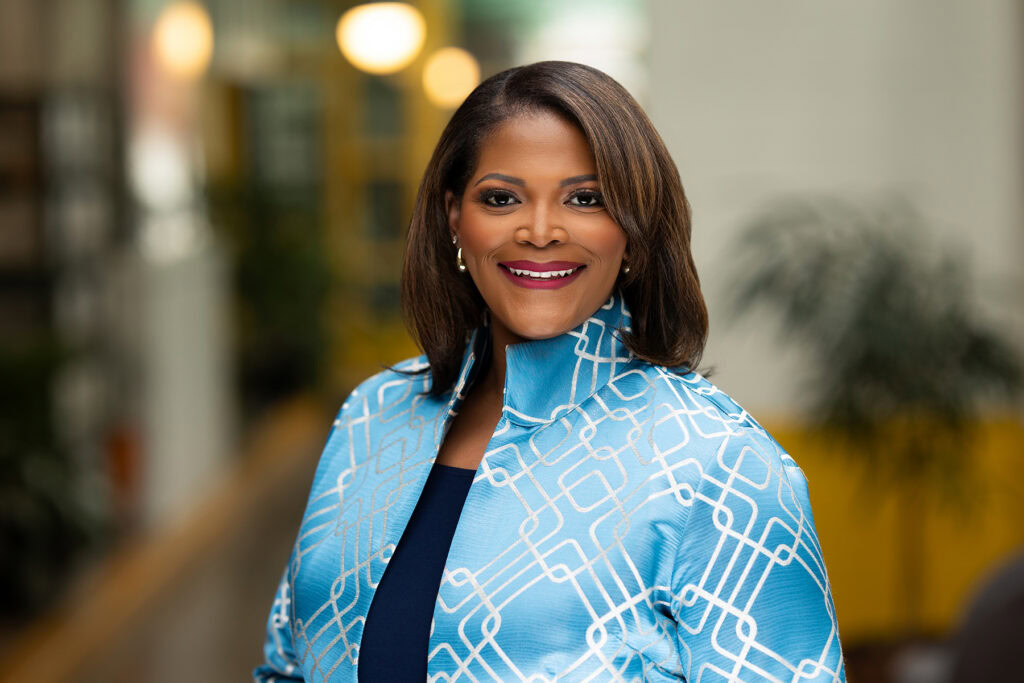
A background should never feel accidental. It can be clean and neutral, softly environmental, or tied to your brand colors, but it should have a reason. Hiring managers often respond well to simplicity because it keeps attention on you. Clients may appreciate more context if your work is personal, local, or relationship-based.
The wrong background can weaken a strong expression. A cluttered room, bright signage, or messy outdoor setting makes the image harder to read. A thoughtful background gives structure.
Studio Or Environmental Settings Can Both Work
A studio headshot often feels crisp and versatile. An environmental headshot can feel personal and grounded. Neither is automatically better. The right choice depends on your role, audience, and placement.
If you are unsure, choose the setting that removes friction. Would a client trust a clean studio portrait faster, or understand your work better with a subtle workplace or Denver-inspired background?
Editing Should Make You Look Rested, Not Rebuilt
People are more aware of over-editing now. Skin that looks plastic, eyes that look too bright, or facial features that seem changed can make a headshot feel less trustworthy. A modern edit should clean temporary distractions while leaving you recognizable.
Good retouching handles flyaway hairs, small blemishes, lint, uneven shine, and minor background distractions. It should not erase your character. Hiring managers and clients expect to meet the person in the photo.
Ask For Natural Retouching
When working with a professional photographer, be clear that you want to look polished and real. That request helps guide the editing style. You should still see your natural skin texture, familiar smile, and real expression.
The Best Headshots Feel Prepared, Not Perfect
A strong headshot in 2026 is not about pretending to be someone else. It removes avoidable distractions so people can focus on your credibility. Hiring managers want clarity and competence. Clients want trust and ease. Both groups want honesty.
Before updating your headshot, think about the next room you want your image to enter. Is it a job interview, sales call, board meeting, speaking opportunity, or client consultation? Your photo should feel ready.
Conclusion
Your headshot is one of the simplest professional signals you control. It can show that you are current, thoughtful, and serious about how people experience you. It also makes the first step easier for someone deciding whether to call, hire, refer, or meet you.
We believe the best headshots are clear, human, and useful. They do not shout. They quietly answer the questions people are asking. Can I trust this person with my time, my team, my business, or my next opportunity?
FAQs
What makes a headshot look professional in 2026?
A professional headshot in 2026 looks current, clear, well-lit, and natural. Your face should be easy to see, your clothing should fit the purpose, and your expression should feel confident without looking forced.
How often should you update your professional headshot?
You should update your headshot when your appearance changes, your role changes, your brand changes, or your current photo feels outdated. For many professionals, every two or three years is a practical rhythm.
Should you smile in a professional headshot?
You should smile if it matches your personality and the clients or employers you want to attract. A relaxed, genuine smile often feels approachable, while a calm neutral expression can work well for more formal roles.
What should you wear for a professional headshot?
You should wear clothing that fits well, feels aligned with your industry, and keeps attention on your face. Solid colors, simple layers, and clean necklines usually photograph better than loud patterns or distracting accessories.
Can a casual photo work as a professional headshot?
A casual photo can work only if it is sharp, well-lit, properly cropped, and appropriate for your audience. In most professional settings, a planned headshot gives you more control and creates a stronger first impression.
Professional Headshots That Help The Right People Trust You Faster
→ Show hiring managers a clear, current, and confident first impression
→ Give clients a headshot that feels approachable, polished, and real
→ Walk away with images ready for LinkedIn, websites, proposals, and profiles
Connect with Denver Headshot Co. to create a headshot that works before the first conversation →
★★★★★ Rated 5/5 by Over 500 Satisfied Clients in Specialized Industries

Jackie, the founder and creative director at Denver Headshot Co., brings over a decade of experience in professional photography to her role. Her extensive expertise, combined with a genuine passion for capturing the essence of her clients, has been instrumental in establishing Denver Headshot Co. as a leader in the field. Under her guidance, the company is renowned for its commitment to quality and authenticity, providing headshots that not only showcase the individuality of each client but also amplify their professional presence. Jackie’s experience, leadership, and artistic vision ensure that every client receives a personalized and empowering photography experience.
Related articles
How to Choose a Headshot Style That Matches Your Career Level