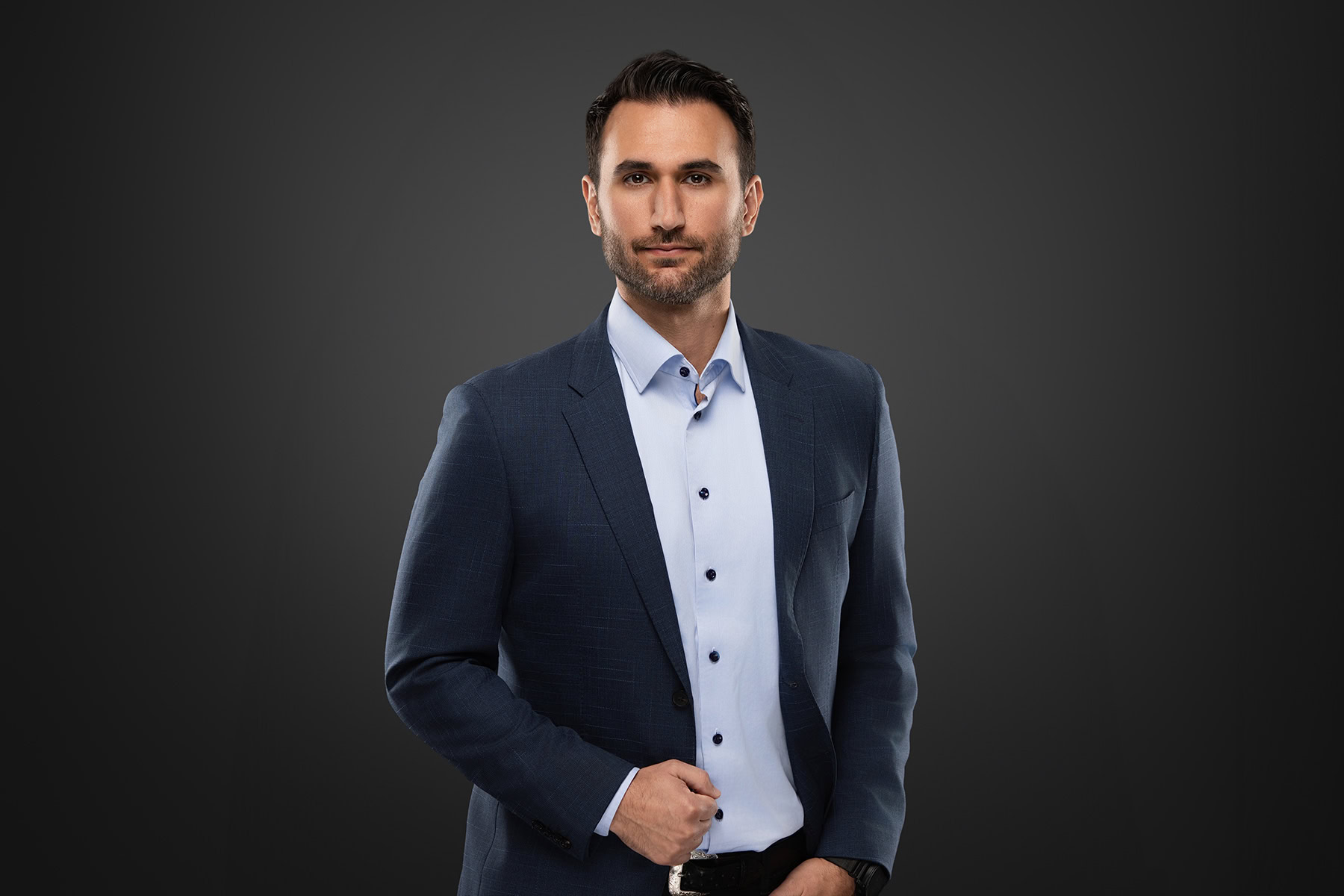

Top Ten Headshot Mistakes Professionals Still Make
When someone lands on your team page, what is the very first feeling they get from those tiny faces under your logo?
We meet a lot of leaders who have invested in branding, messaging, and a polished site, yet their headshots quietly tell a different story. Sometimes the photos look dated. Sometimes the team looks like a mix of unrelated companies. Sometimes the people clients talk to every day are not pictured at all.
Table Of Contents
- 1. Why There Is A Need To Avoid Mistakes When Taking A Headshot
- 2. Bringing Your Team Headshots Back Into Alignment
- 3. FAQs
We see headshots as part of a bigger client experience and think about how every image affects trust, clarity, and connection for the people who are about to work with you.
Competitors around Denver talk a lot about first impressions and how headshots can make or break that split second judgment online. They highlight the power of a cohesive, professional set of images to support a strong brand presence. We agree, and we also see the same ten mistakes over and over in otherwise impressive companies.
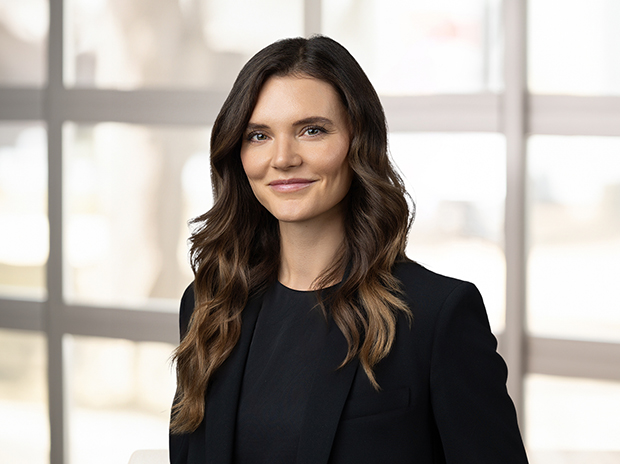
Why There Is A Need To Avoid Mistakes When Taking A Headshot
When we take a headshot, we are not just capturing a face, we are shaping the first impression someone has of a professional and often of the entire brand. Small mistakes in lighting, background, expression, wardrobe or framing can quietly send the wrong message and make a capable, trustworthy person appear distracted, dated, or less confident than they really are. Clients make fast judgments based on visuals, so if a headshot feels inconsistent with the quality of your work, it can create doubt before a single conversation happens.
When we avoid these common missteps, we give people a clear, honest and polished representation of who they are meeting, which helps build trust, supports your positioning in the market, and keeps your online presence aligned with the standards you already hold in your day to day work. If you want to see where things often go wrong, read on to explore ten headshot mistakes professionals still make.
1. Mismatched Backgrounds And Lighting Styles
Have you ever scrolled through your own team page and felt a subtle sense of chaos without knowing why
Often the problem is simple. One person is photographed in soft studio light on a neutral backdrop. Another stands outside in the harsh midday sun. Someone else has a fluorescent office ceiling casting shadows under their eyes. Color tones jump from cool blue to warm yellow without any clear intention.
When backgrounds and lighting styles do not match, your team stops looking like a unified group. It feels more like a collage of unrelated photos. Visitors will not always name the problem, but they feel the inconsistency.
Consistent background, direction of light, and color tone help people focus on your team instead of the technical differences between images. Denver specific and national photographers alike call out background, lighting, and crop as core elements that shape how professional a headshot feels.
If you notice a mix of office snapshots, outdoor photos, and studio shots on the same page, that is your cue to standardize the look.
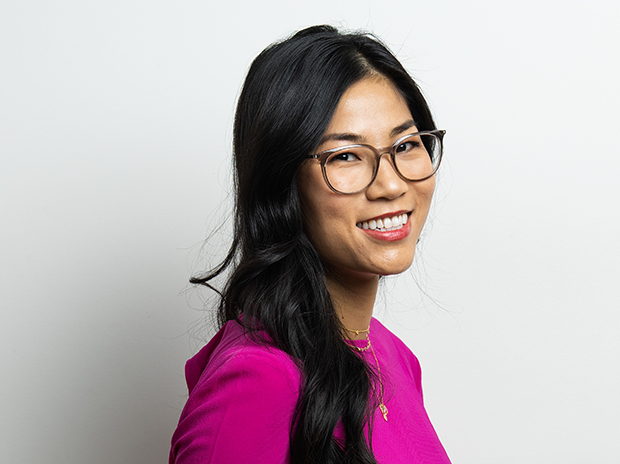
2. Making Everyone Look The Same Like An Identical Yearbook Photo
On the flip side, it is possible to chase consistency so hard that everyone ends up looking like a clone.
We see galleries where every person has the same slight head tilt, the same folded arms, the same expression, and the same framing. It starts to feel like a yearbook spread from a decade ago instead of a modern team of individuals.
Clients want to see real people, not a row of identical poses. When personality disappears, trust usually drops with it. People start to wonder whether the company is rigid or overly scripted in other areas too.
We prefer a shared framework with room for individuality. That might look like
- the same lighting and background
- similar framing
- gentle direction that lets people bring their own energy and expression
The goal is a team that feels coordinated but still very human.

3. Avoiding Headshots When Your Team Is Customer Facing
In reality, many people look for faces before they reach out. They want to see who will handle their project, who will show up on site, or who will guide them through an important decision. A blank silhouette or just a name where a face could be can feel distant.
When customer-facing teams have no headshots, while leadership is fully visible, the site can unintentionally signal a hierarchy that does not match your values. Clients might feel connected to the leaders but unsure about the people they will actually interact with most.
Even a simple, well lit headshot for each client facing team member can create a sense of accessibility and accountability.
4. Letting People Use Old Headshots
If someone met you today, would they recognize you from your current headshot without a second thought
Old photos are one of the most common headshot problems we see. Leadership might be using a favorite image from ten years ago. Team members who changed hair, glasses, or style keep a photo that no longer reflects them. Sometimes the brand has evolved, yet the images still carry an older color palette or vibe.
There is an unspoken promise in a professional headshot. It should represent who you are now, not who you were several roles ago. When that promise is broken, clients may not consciously spot it, but they often feel that something is off.
Competitors in Denver talk openly about keeping headshots current so they stay aligned with your present brand and achievements. We see the same need in almost every industry we photograph.
A practical approach is to refresh headshots when
- your appearance changes noticeably
- your role shifts in a way that affects how you show up to clients
- your brand goes through a major visual update

5. Cropped Group Photos Pretending To Be Headshots
Have you ever taken a fun team photo and later tried to crop individual squares out of it for the website
This shortcut looks tempting, especially if everyone happened to look decent in one group picture. The trouble is that group images are rarely lit, posed, or framed for individual use. Once you crop tight, faces can look distorted, light may fall unevenly, and the background often contains distractions that were harmless in a wide shot but distracting in a close crop.
Side by side with intentional headshots, cropped group images almost always look second tier. They also send a subtle message that your team images were an afterthought, not part of a plan.
Group photos have their own value. They show culture, connection, and scale. They simply are not a good replacement for individual professional portraits.
6. Wardrobe That Fights With Your Brand
Imagine a brand with calm, muted colors where half the team shows up in neon patterns. Or a high end consulting firm where people are photographed in super casual weekend wear.
Clothing does not have to be formal to be intentional, but it should support your positioning. The Denver Headshot Co. style guide talks about choosing outfits that reflect your role, your brand palette, and how you actually show up in professional settings.
Common wardrobe traps include
- very busy patterns that pull attention from the face
- colors that blend into or clash with the background
- clothing that fits a different industry than the one you are in
We coach people toward what we call their best normal. The version of themselves that feels polished and comfortable, not costumed. When everyone gets a little guidance ahead of time, the final gallery looks much more aligned.
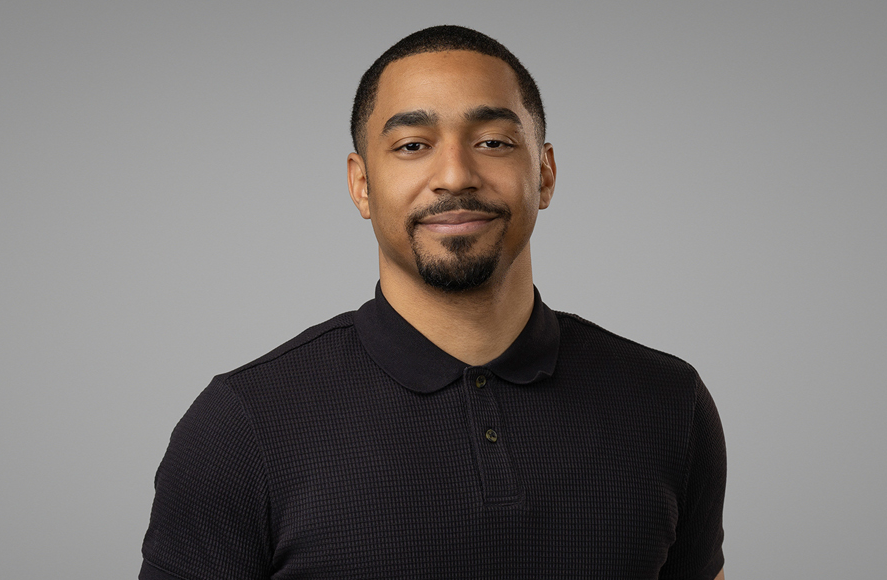
7. Over Retouched Or Under Retouched Images
Clients often ask if retouching will make them look fake. At the same time, they worry about visible skin texture or distractions if nothing is refined.
Both extremes can hurt trust. Images with heavy softening, over brightened eyes, or unnaturally smooth skin can feel more like a filter than a portrait. On the other hand, zero retouching in a professional context can make people feel self conscious about temporary blemishes or small distractions that have nothing to do with their expertise.
We aim for editing that feels invisible. Blemishes, flyaways, and small distractions are reduced, while real features like laugh lines and skin texture remain. Denver Headshot Co shares this philosophy across our educational content, especially when we talk about headshots that support long term business success.
When you review your own headshots, ask whether the person looks like themselves on their best day. If the answer is yes, your retouching is probably in a healthy range.
8. Stiff And Awkward Posing That Does Not Feel Like You
Everyone knows the feeling of freezing up in front of a camera. That tension shows up immediately in a headshot.
Sometimes people were told to hold an uncomfortable pose. Sometimes they did not understand what to do with their hands or shoulders. Sometimes no one gave them direction at all. The result is a gallery where people look anxious, overly serious, or nothing like the person you meet in a real conversation.
Modern headshot work focuses on natural movement, micro adjustments, and coaching that feels conversational.Clients report that these sessions help them relax and show more of who they really are.
When you look through your current images, notice whether your team looks alive and engaged or stiff and posed. That one shift in approach can completely change how approachable your brand feels.

9. Low Resolution Files And Cramped Crops
Have you ever tried to enlarge a headshot, only to watch it fall apart into visible pixels
Low resolution images and overly tight crops are quiet reputation killers. They often come from pulling photos off social media, reusing tiny files, or cropping heavily to remove a busy background. On a modern high resolution site, those files can look soft or grainy compared to the rest of your visuals.
Tight crops can also create a sense of pressure. If someone’s chin or the top of their head almost touches the edge of the frame, the image feels cramped instead of relaxed.
High quality, properly sized files give you flexibility. They look sharp on your site, in proposals, on LinkedIn, and in press features. That flexibility matters a lot more once your team starts appearing in more than one place online.
10. Inconsistent Framing And Aspect Ratios Across The Team
This last mistake sneaks in during well meaning updates. A few people get new photos every quarter while others keep their older framing. Some images are square, some are wide, some are vertical. Heads sit at different heights across the page.
Even if each photo is strong on its own, the gallery starts to feel jumbled. Your eye cannot easily read from person to person, which creates visual fatigue for the viewer.
Competitor sites that feel especially polished nearly always have a clear standard for crop, head size in the frame, and aspect ratio. When you bring your own team headshots into that kind of alignment, the perceived value of your entire brand rises with them.
A simple style guide that covers framing, file orientation, and how close or far people are in the image can keep this from becoming a problem again.

Bringing Your Team Headshots Back Into Alignment
If you are reading this and realizing that several of these mistakes live on your site right now, you are not alone. We see combinations of them every week, even in companies that care deeply about their brand.
The good news is that you do not need a perfect, one day overhaul to improve things. You can start with your most visible and client facing roles, then phase in updates for everyone else. Many organizations treat headshots as an ongoing process supported by a clear plan, not a one time project. Resources that outline our headshot services for individuals and teams show how flexible that can be for different group sizes and needs.
Here is a simple way to think about next steps
- Decide how you want your team to look and feel in images
- Document that in a short visual style guide
- Refresh outdated or mismatched headshots according to that standard
- Put a reminder on your calendar to review everything again in a year or two
Seen this way, headshots become a living part of your brand, just like your copy, design, and services. When clients visit your site, they see a team that looks current, cohesive, and genuinely ready to work with them.
FAQs
How often should we update our team headshots?
Most teams do well updating every two to three years, or sooner if people have changed roles, appearance, or brand direction. The main test is whether a client who walks into a meeting today immediately recognizes the person from their photo.
Is it really that bad to mix different backgrounds and styles?
A few variations are fine, but big jumps in lighting, color, and background quickly start to look messy. Consistent style helps people pay attention to faces and roles instead of being distracted by technical differences.
Can we keep using cropped group photos for new hires?
You can, but it usually works against you. Group photos are great for culture and storytelling. Individual headshots are better for clarity and professionalism. Treat them as different tools for different jobs.
What if some team members hate being photographed?
That is very common. Clear prep, gentle coaching, and a relaxed session flow help a lot. When people feel listened to and guided, they are much more likely to walk away with a headshot they actually like.
Where should we start if our budget is limited right now?
Start with the people clients see first. That often means sales, service, and leadership. Get those images consistent and up to date, then build a plan to bring everyone else into the same standard over time.
Headshots That Help Your Team Avoid the Mistakes Most Professionals Still Make
→ A unified visual style that eliminates mismatched lighting, backgrounds, and inconsistent framing
→ Updated, authentic portraits that reflect who your team is today instead of outdated or recycled images
→ Guided sessions that prevent stiff posing and help each person look natural, confident, and trustworthy
★★★★★ Rated 5/5 by Over 430 Satisfied Clients in Specialized Industries

Jackie, the founder and creative director at Denver Headshot Co., brings over a decade of experience in professional photography to her role. Her extensive expertise, combined with a genuine passion for capturing the essence of her clients, has been instrumental in establishing Denver Headshot Co. as a leader in the field. Under her guidance, the company is renowned for its commitment to quality and authenticity, providing headshots that not only showcase the individuality of each client but also amplify their professional presence. Jackie’s experience, leadership, and artistic vision ensure that every client receives a personalized and empowering photography experience.
Related articles
The Ultimate Guide to Business Portraits in Denver
The Power of Being Real: Why Authenticity Wins in a Digital World